

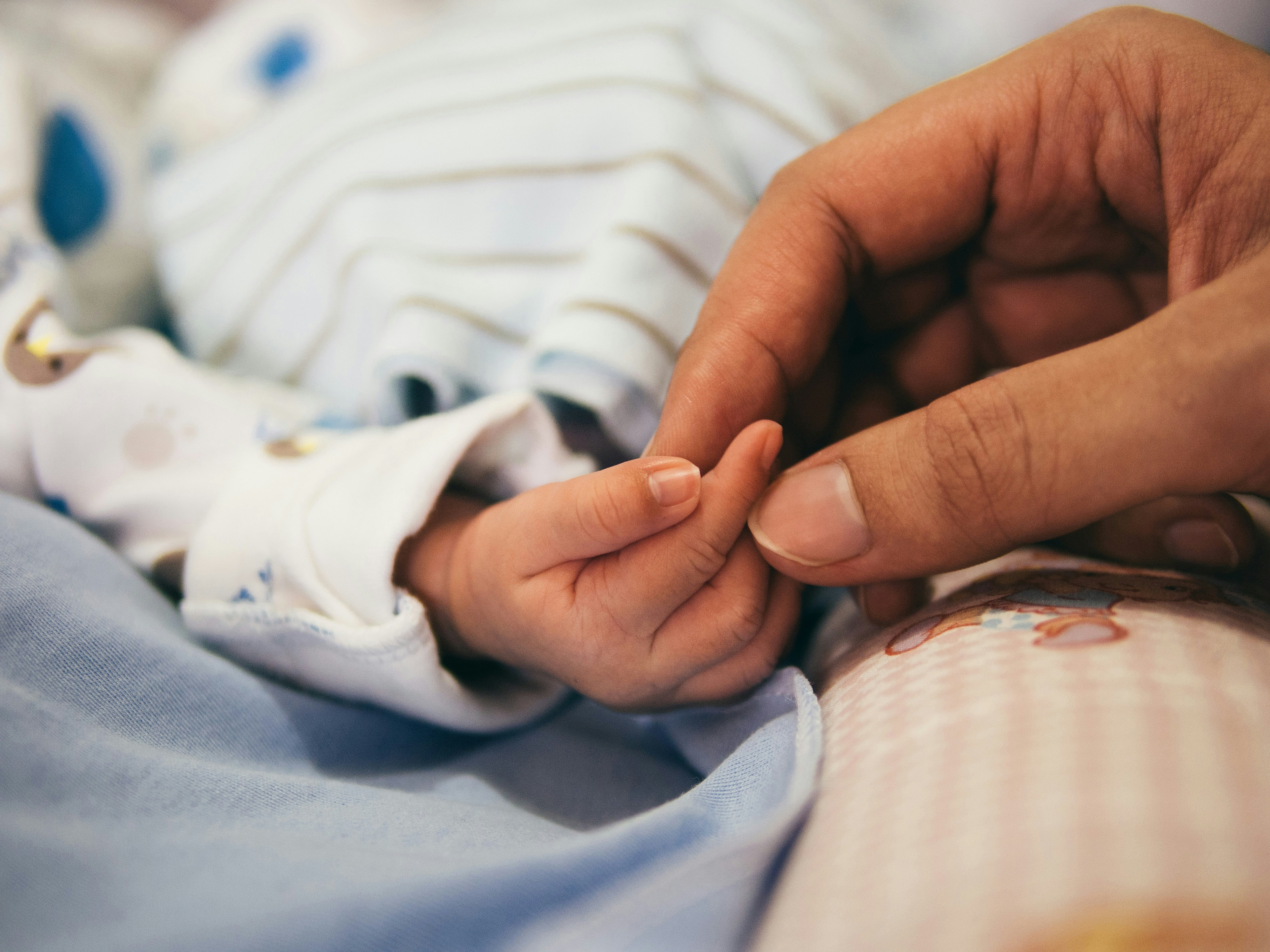
When your baby arrives early, every monitor beep, every doctor update, and every NICU conversation can feel overwhelming. Then, if you hear the words periventricular leukomalacia, or PVL, you may feel even more frightened because this condition involves an injury to your baby’s developing brain. PVL most often affects premature and low birthweight infants, and it damages the white matter near the brain’s ventricles, which helps carry messages between different parts of the brain and body.
Although not every case of PVL results from medical negligence, parents should understand what PVL is, why premature babies face higher risks, and when warning signs may point to preventable harm during pregnancy, labor, delivery, or NICU care. If your child was diagnosed with periventricular leukomalacia after premature birth, Anapol Weiss can help you ask the right questions. Call 866-944-0553 or reach out through the online contact form to discuss what happened and whether your family may have a legal claim.
Periventricular Leukomalacia In Premature Babies: What Does This Diagnosis Mean?


Periventricular leukomalacia is a type of brain injury that affects the white matter around the ventricles, which are fluid-filled spaces inside the brain. The name sounds complicated, but the basic meaning is easier to understand. Periventricular refers to the area around the ventricles. Leuko refers to white matter. Malacia means softening.
In simple terms, PVL involves damage or death of small areas of white matter in the brain. This damage can interfere with the nerve pathways that help control movement, coordination, muscle tone, and development. NINDS explains that PVL is linked to reduced oxygen or blood flow to the periventricular area of the brain.
Premature babies face a higher risk because their brains are still developing. Babies born before 32 weeks of pregnancy are especially vulnerable, and the risk increases when a baby is born earlier or has a very low birth weight.
For parents, the diagnosis can raise urgent questions. Did something happen before delivery? Did the hospital miss fetal distress? Did a delay in care increase the risk of oxygen loss? Did the NICU team respond quickly enough to infection, breathing problems, or circulation issues? These questions matter because PVL may have lifelong effects.
PVL Brain Injury Causes: Why Can Premature Babies Develop Periventricular Leukomalacia?
PVL can develop when a baby’s brain does not receive enough oxygen or blood flow. It can also occur when infection, inflammation, or complications of prematurity affect fragile brain tissue. Because premature babies have immature blood vessels and developing nervous systems, even short periods of instability may create serious risks.
Common medical concerns connected to PVL may include:
- Oxygen deprivation: Reduced oxygen before, during, or after delivery
- Poor blood flow: Circulation problems that affect the developing brain
- Premature birth: Early delivery before the brain and blood vessels fully mature
- Maternal infection: Infection or inflammation during pregnancy or labor
- Respiratory distress: Breathing problems after birth that reduce oxygen levels
- NICU complications: Delays in monitoring, diagnosis, or treatment after delivery
A PVL diagnosis does not automatically mean someone made a mistake. However, it does mean parents should look closely at the medical timeline. In many cases, the key question is not only what happened, but whether doctors, nurses, or hospital staff recognized the danger signs and responded appropriately.
Similar Post: Birth Injury Punitive Damages: Can Pennsylvania Families Hold Hospitals Truly Accountable?
Periventricular Leukomalacia Symptoms: What Signs Should Parents Watch For?
PVL may not cause obvious symptoms right away. Some babies receive the diagnosis after imaging tests in the NICU. Others may not show clear developmental concerns until months later, when missed milestones become more noticeable.
Parents may notice:
- Muscle stiffness: Tightness, especially in the legs
- Motor delays: Late rolling, sitting, crawling, standing, or walking
- Weak movement: Reduced strength or poor coordination
- Feeding issues: Trouble sucking, swallowing, or gaining weight
- Vision concerns: Difficulty tracking objects or focusing
- Developmental delays: Delays in speech, learning, or physical milestones
Because every child develops differently, one missed milestone does not always mean PVL caused a serious impairment. Still, when a premature baby has a known PVL diagnosis, parents should follow up with pediatric neurology, early intervention services, physical therapy, and other recommended care as soon as possible.
PVL And Cerebral Palsy: How Are These Conditions Connected?
PVL is one of the brain injuries that can lead to cerebral palsy, especially spastic cerebral palsy. Cerebral palsy affects movement, posture, balance, and muscle tone. It does not worsen as a brain injury over time, but a child’s symptoms may become more noticeable as they grow and face new developmental demands.
The connection between PVL and cerebral palsy often depends on where the white matter damage occurred and how much tissue was affected. Since the damaged pathways may control movement, children with PVL may later develop stiffness, weakness, or coordination issues.
PVL may also contribute to learning challenges, developmental delays, vision problems, or speech delays. Some children have mild symptoms, while others need long-term medical care, mobility support, therapy, and educational resources.
This is why early diagnosis matters. When parents know that PVL may affect movement or development, they can push for timely evaluations, therapy, and support. Early intervention cannot erase a brain injury, but it can help a child build strength, improve function, and access resources during critical developmental years.
Medical Negligence And PVL: When Should Parents Ask Hard Questions?
Not every premature birth or PVL diagnosis could have been prevented. However, some cases involve warning signs that should have prompted faster action. In a birth injury case, the legal issue usually focuses on whether healthcare providers followed accepted medical standards and whether a failure caused or worsened the child’s injury.
Parents may want to investigate if the medical records show concerns such as:
- Delayed delivery: Doctors waited too long despite signs of fetal distress
- Missed infection: Providers failed to diagnose or treat maternal or neonatal infection
- Poor monitoring: Staff did not properly track fetal heart rate or oxygen concerns
- NICU delay: The hospital failed to respond to breathing, blood pressure, or circulation problems
- Medication issues: Providers failed to use appropriate treatment during a high-risk pregnancy
- Communication breakdowns: Important concerns were not escalated to the right medical team
These issues can occur at hospitals in Philadelphia, Central Pennsylvania, Allegheny County, and communities throughout the state. Therefore, a thorough review should include prenatal records, labor and delivery records, fetal monitoring strips, NICU notes, imaging results, medication records, and discharge summaries.
Parents often sense that something was wrong long before they have proof. That feeling does not prove negligence, but it can be the reason to start asking questions.
Pennsylvania Birth Injury Claims: What Legal Issues Can Matter After A PVL Diagnosis?
In Pennsylvania, birth injury claims involving PVL often fall under medical malpractice law. These cases require more than showing that a child has a serious diagnosis. Families generally must show that a healthcare provider failed to meet the accepted standard of care and that this failure caused harm.
Pennsylvania also has legal timing rules that parents should take seriously. Parents generally have two years from the date they discovered or reasonably should have discovered that the injury may have been caused by medical negligence. For a child’s claim, Pennsylvania’s minor tolling rules may allow the child to file until the child’s 20th birthday.
In addition, Pennsylvania professional liability cases often require a certificate of merit. Under Pennsylvania Rule of Civil Procedure 1042.3, this certificate must generally be filed with the complaint or within 60 days after filing, and it must confirm that a qualified licensed professional has reviewed the matter or that another permitted basis applies.
These rules make timing important. Even when a child has years to bring a claim, waiting can make it harder to collect records, identify witnesses, and understand what happened in the delivery room or NICU.
PVL Diagnosis In Pennsylvania: What Records Can Help Explain What Happened?
PVL cases often depend on medical details that parents may not receive in everyday updates. The diagnosis may appear in imaging reports, NICU notes, neurology evaluations, or discharge paperwork. Therefore, parents should begin gathering records as soon as possible.
Helpful records may include:
- Prenatal records: High-risk pregnancy notes, ultrasounds, lab results, and maternal infection screening
- Labor records: Fetal monitoring strips, nursing notes, medication logs, and physician orders
- Delivery records: Delivery timing, complications, Apgar scores, and resuscitation notes
- NICU records: Oxygen levels, blood pressure readings, infection workups, and respiratory support notes
- Imaging reports: Head ultrasound, MRI, CT scan, or neurology findings
- Therapy records: Physical therapy, occupational therapy, speech therapy, and early intervention reports
After you collect records, you may still need a medical review to understand them. Many important details hide inside abbreviations, time stamps, and clinical language. A legal team familiar with birth injury claims can organize the timeline and determine whether the care provided before, during, or after birth raises serious concerns.
Parents Of Premature Babies: What Steps Should You Take After Learning About PVL?
A PVL diagnosis can make the future feel uncertain. Still, you can take practical steps now to support your child and preserve important information.
First, ask your baby’s medical team to explain the diagnosis in plain language. Ask what imaging showed, what areas of the brain were affected, and what follow-up care your child needs. Next, keep every appointment with pediatric neurology, developmental pediatrics, and therapy providers.
You should also write down what you remember from pregnancy, labor, delivery, and the NICU stay. Include dates, names, concerns you raised, and what providers told you. These details can fade quickly, especially while you are caring for a medically fragile baby.
Finally, consider a legal review if you believe doctors or hospital staff missed signs of distress, infection, oxygen loss, or preventable complications. A legal review does not mean you are blaming every provider involved in your child’s care. Instead, it can help you understand whether preventable medical errors contributed to your child’s injury.
Periventricular Leukomalacia FAQ: What Do Parents Often Ask?
Can Periventricular Leukomalacia Be Diagnosed Right Away?
Sometimes, yes. Doctors may detect PVL through a head ultrasound or MRI while a baby is still in the NICU. However, some children show developmental symptoms later, especially as movement and milestone delays become clearer.
Does PVL Always Cause Cerebral Palsy?
No. PVL can increase the risk of cerebral palsy, but outcomes vary. Some children have mild symptoms, while others develop serious motor, developmental, or learning challenges.
Is PVL Always Caused By Medical Negligence?
No. PVL can occur because of prematurity and other medical complications. However, negligence may be involved if providers failed to recognize or treat problems such as fetal distress, infection, oxygen deprivation, or unstable NICU conditions.
What Should I Do If My Baby Has PVL After Premature Birth?
Follow all medical recommendations, ask for referrals to early intervention and therapy, request your child’s records, and write down your timeline. Then, consider speaking with a Pennsylvania birth injury attorney about whether the injury may have been preventable.
Can I Bring A Pennsylvania Birth Injury Claim For PVL?
You may have a claim if medical negligence caused or worsened your child’s PVL. These cases require detailed medical record review, careful timing analysis, and support from qualified medical professionals.
Talk To The Birth Injury Lawyers At Anapol Weiss About Your Child’s PVL Diagnosis
A diagnosis of periventricular leukomalacia can leave you searching for answers while also trying to care for your premature baby. You may not know whether the injury was unavoidable, whether warning signs were missed, or whether faster medical action could have changed your child’s outcome. However, you do not have to sort through those questions alone.
The attorneys at Anapol Weiss help Pennsylvania families investigate serious birth injuries involving premature babies, oxygen loss, brain damage, and long-term developmental needs. If your child was diagnosed with PVL after care in Philadelphia, Central Pennsylvania, Allegheny County, or another Pennsylvania community, a legal review may help you understand what happened and what options may be available.
Call Anapol Weiss at 866-944-0553 or use the online contact form today. The sooner you ask questions, the sooner your family can begin looking for answers, accountability, and the support your child may need for the future.
Disclaimer: This blog is intended for informational purposes only and does not establish an attorney-client relationship. It should not be considered as legal advice. For personalized legal assistance, please consult our team directly.