

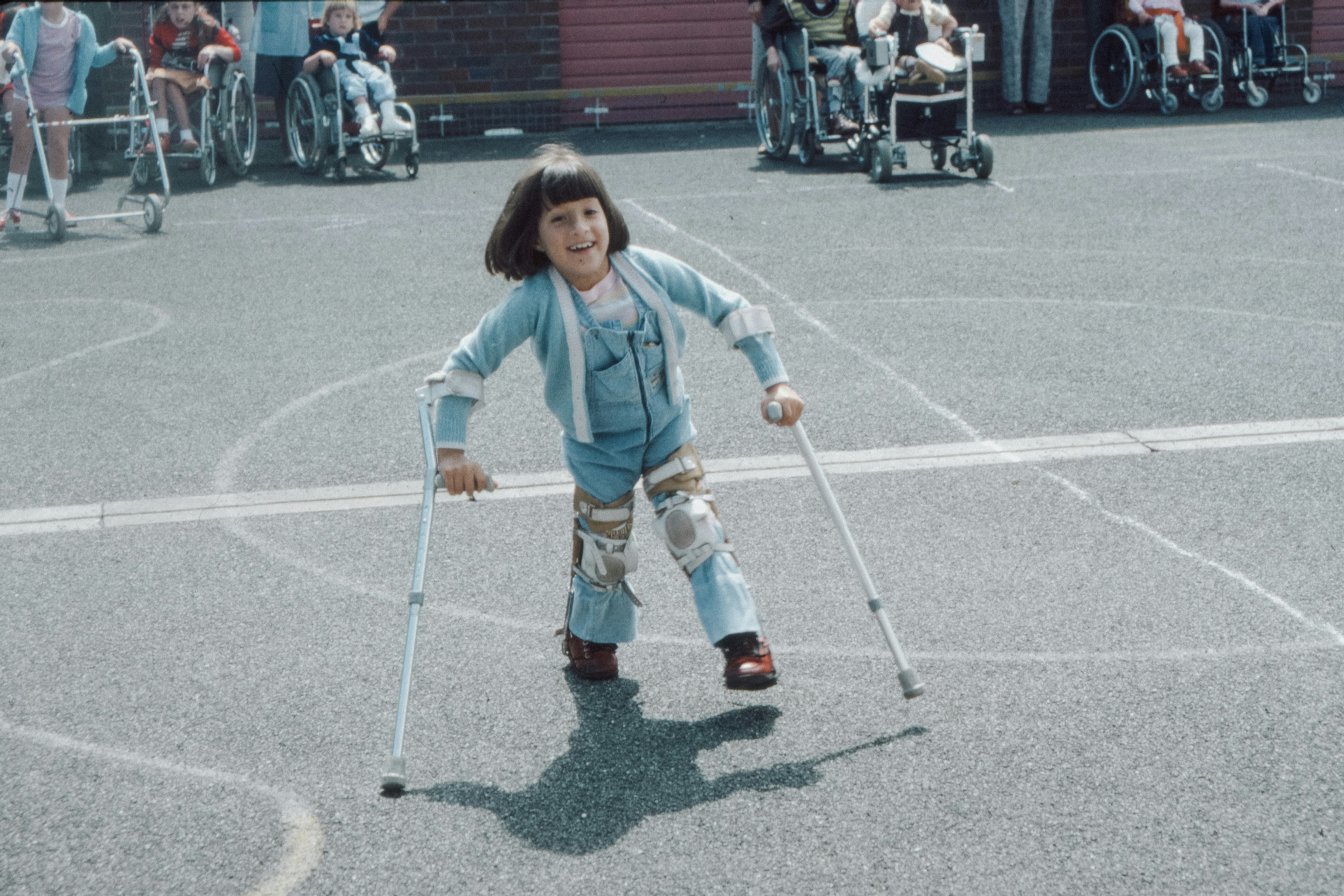
You never planned to think about door widths, floor materials, or bathroom layouts this way. But after a cerebral palsy diagnosis, your home suddenly becomes more than just a place to live. It becomes part of your child’s care, mobility, and independence.
The good news is that small, intentional changes can make a meaningful difference. The right modifications can help your child move more freely, feel more confident, and stay safer every day.
If your child’s cerebral palsy may be linked to complications during birth, you may also have legal options to explore. You can call Anapol Weiss at 866-944-0553 to speak with a team that understands how these diagnoses impact families long term.
Home Modifications For Cerebral Palsy: What Changes Make The Biggest Difference?
When adapting your home, it helps to focus on accessibility, safety, and independence. While every child’s needs are different, certain modifications consistently make daily life easier.
Some of the most impactful changes include:
- Widening doorways to accommodate wheelchairs or walkers
- Installing ramps to eliminate stairs at entry points
- Replacing thick carpet with smooth flooring for easier mobility
- Lowering light switches and countertops for accessibility
Even minor adjustments can reduce frustration and create a more supportive environment. Over time, these changes can also help your child develop confidence in navigating their own space.
Accessible Home Design For Disabilities: How Do You Plan A Functional Layout?
Planning an accessible home starts with understanding how your child moves through each space.
Ask yourself:
- Where does my child need the most support?
- Which areas create obstacles or delays?
- How can I reduce reliance on constant assistance?
Open floor plans often work best because they allow for easier movement between rooms. Additionally, minimizing clutter and creating clear pathways can prevent accidents.
As your child grows, their needs may change. Therefore, designing with flexibility in mind can help your home adapt over time without requiring constant renovations.
Wheelchair Accessible Home Features: What Should You Prioritize First?
If your child uses a wheelchair, certain features should move to the top of your priority list.
Start with:
- Entry ramps with proper slope and handrails
- Doorways at least 32 inches wide
- Lever-style door handles for easier use
- Accessible storage within reach
In addition, consider installing automatic door openers in high-traffic areas. While this may seem like a larger investment, it can significantly increase independence.
By focusing on these foundational features first, you can create a home that supports mobility from the moment your child enters the space.
Bathroom Modifications For Cerebral Palsy: How Can You Improve Safety And Comfort?
Bathrooms are often one of the most challenging areas for accessibility. However, thoughtful upgrades can make them much safer and easier to use.
Consider adding:
- Roll-in showers with non-slip flooring
- Grab bars near toilets and bathing areas
- Adjustable or handheld showerheads
- Raised toilet seats for easier transfers
You may also want to install a shower bench or transfer system, depending on your child’s needs.
Because bathrooms involve water and hard surfaces, prioritizing safety in this space is especially important.
Similar Post: What Evidence Is Crucial in Proving a Birth Injury Case?
Adaptive Equipment At Home: What Tools Can Support Daily Living?
In addition to structural changes, adaptive equipment can improve your child’s daily routine.
Some helpful tools include:
- Specialized seating systems for posture support
- Mobility aids such as walkers or standers
- Feeding equipment designed for motor challenges
- Communication devices for children with speech limitations
These tools often work best when integrated into a well-designed home environment. Together, they can create a more seamless and supportive experience.
Financial Help For Home Modifications: How Can Families Afford These Changes?
One of the biggest concerns families face is cost. Home modifications and adaptive equipment can be expensive, especially when multiple changes are needed.
However, there are potential resources available, such as:
- State and federal assistance programs
- Nonprofit grants for disability-related home upgrades
- Insurance coverage for certain medical equipment
- Community-based fundraising support
Additionally, if your child’s condition is linked to medical negligence, financial recovery through a legal claim may help cover long-term expenses, including home modifications.
Exploring all available options can ease some of the financial pressure and allow you to focus on your child’s needs.
Long Term Accessibility Planning: How Do You Prepare For The Future?
As your child grows, their physical needs and capabilities may evolve. Because of this, planning ahead can save time, money, and stress.
Think about:
- Adjustable features that can change with your child’s height and mobility
- Reinforcing walls for future grab bar installation
- Leaving space for additional equipment if needed later
By planning with the future in mind, you can avoid repeating renovations and create a home that continues to support your child over time.
Similar Post: Should You Take an Early Settlement Offer After a Birth Injury?
Legal Support For Cerebral Palsy Cases: When Should You Explore Your Options?


At some point, many parents begin to ask whether their child’s cerebral palsy could have been prevented.
If there were complications during pregnancy, labor, or delivery, it may be worth having those events reviewed. Medical providers are expected to follow established standards of care, and when they fail to do so, the consequences can be life-changing.
Speaking with a legal team can help you understand:
- What may have gone wrong
- Whether negligence played a role
- What resources may be available for your child’s future care
Even if you are unsure, having a conversation can provide clarity and direction.
How Can You Create A Safer Home And Protect Your Child’s Future? Contact Anapol Weiss Today
You are doing everything you can to support your child. And that includes creating a home where they can move, grow, and thrive.
At the same time, you should not have to carry the financial burden alone if your child’s condition was preventable.
Anapol Weiss works with Pennsylvania-based families navigating the long-term impact of cerebral palsy and other birth injuries. Our team can help you understand what happened, explore your legal options, and pursue the resources your child may need for ongoing care and home modifications.
If you are ready to take the next step, contact Anapol Weiss today for a free and confidential consultation.
Disclaimer: This blog is intended for informational purposes only and does not establish an attorney-client relationship. It should not be considered as legal advice. For personalized legal assistance, please consult our team directly.