


You expected to feel relief, maybe even joy. Instead, you keep replaying what happened in the delivery room. The sounds, the urgency, the fear. For many parents, childbirth does not end when the baby is born. It lingers, showing up as anxiety, panic, or even full post-traumatic stress.
If this sounds familiar, you are not alone. And more importantly, what you are feeling is real.
If your traumatic delivery involved medical mistakes or negligence, you may also have legal options. You can speak with a team that understands both the emotional and legal side of these cases. Call Anapol Weiss today at 866-944-0553 to discuss what happened and learn what steps you can take next.
Traumatic Delivery PTSD: Can You Get PTSD From Giving Birth?
Yes, you can. In fact, more people are starting to talk about it openly.
Post-traumatic stress disorder after childbirth can develop when a delivery feels life-threatening, chaotic, or out of control. This may include situations like:
- Emergency C-sections with little explanation
- Severe complications such as hemorrhaging
- A baby in distress or requiring immediate intervention
- Feeling ignored or dismissed by medical staff
- Experiencing extreme pain without proper support
Even if everyone ultimately survives, your brain may still process the experience as trauma. As a result, your body stays on high alert long after you leave the hospital.
PTSD After Traumatic Delivery Symptoms: What Should You Watch For?
Many parents assume their emotional response is just part of recovery. However, PTSD symptoms often go beyond typical stress or exhaustion.
You may notice:
- Flashbacks or intrusive memories of the delivery
- Nightmares or trouble sleeping
- Avoidance of hospitals, doctors, or even conversations about birth
- Sudden panic attacks or anxiety
- Feeling detached from your baby or loved ones
- Irritability, anger, or emotional numbness
These symptoms can appear days or even months after delivery. Because of this delay, many people do not connect what they are feeling to their birth experience.
Similar Post: How Does a Birth Injury Impact a Marriage, and Can You Seek Loss of Consortium Damages?
Birth Trauma Mental Health: Why Does This Happen After Delivery?
Childbirth is often framed as a positive, empowering experience. However, when things go wrong, that expectation can make the trauma even harder to process.
Your brain is wired to protect you. When it senses danger, it stores the experience in a way that keeps you alert for future threats. During a traumatic delivery, your body may have gone into survival mode. Later, it struggles to switch off.
Additionally, factors that increase the risk of PTSD after childbirth include:
- Lack of communication from medical providers
- Feeling powerless or unheard during labor
- Unexpected complications
- A history of anxiety, depression, or prior trauma
Understanding this can help you realize something important. You did not overreact. Your brain responded exactly the way it was designed to.
Coping With PTSD After Childbirth: How Can You Start Healing?
Although the experience may feel overwhelming, healing is possible. And taking small steps can make a meaningful difference.
First, consider speaking with a therapist who has experience with trauma or postpartum mental health. Therapy approaches such as cognitive behavioral therapy or EMDR can help you process what happened in a safe, structured way.
In addition, you can try:
- Talking openly with someone you trust
- Writing down your birth story to regain a sense of control
- Practicing grounding techniques during moments of anxiety
- Joining support groups with other parents who experienced birth trauma
At the same time, give yourself permission to feel what you feel. Healing does not follow a straight path, and that is okay.
Medical Negligence And Birth Trauma: Could Your Experience Have Been Prevented?
This is a question many parents struggle to ask.
While some complications are unavoidable, others happen because medical providers fail to follow proper standards of care. For example, negligence may involve:
- Delayed response to fetal distress
- Failure to monitor oxygen levels properly
- Improper use of delivery tools
- Not ordering a timely C-section
- Ignoring clear warning signs during labor
When mistakes like these occur, they can lead not only to physical injuries but also to lasting psychological trauma.
If something about your experience did not feel right, it may be worth having it reviewed. Understanding whether your trauma could have been prevented can be an important step in moving forward.
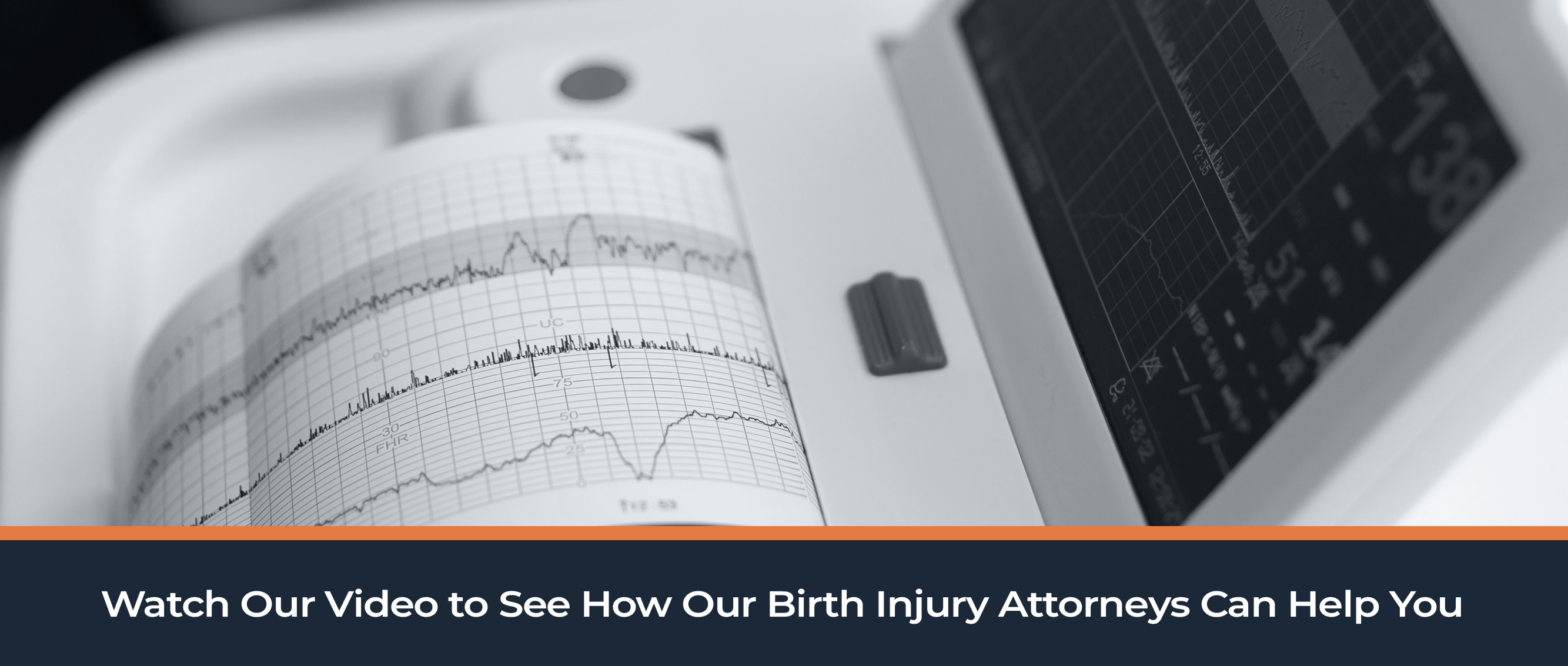
Similar Post: Can a Misread Fetal Heart Monitor Strip Lead to a Preventable Birth Injury?
Emotional Impact Of Traumatic Birth: Why Does It Affect Your Bond With Your Baby?
One of the most difficult parts of PTSD after a traumatic delivery is how it affects your connection with your child.
You may feel:
- Guilt for not feeling immediate joy
- Fear when thinking about the birth
- Difficulty bonding or feeling present
- Overwhelming anxiety about your baby’s safety
These feelings can be confusing and even isolating. However, they are more common than many people realize.
Importantly, this does not define your relationship with your child. With support and time, many parents rebuild that connection in a way that feels natural and secure.
Legal Help For Birth Trauma: When Should You Talk To A Lawyer?

You do not need to have all the answers before reaching out.
In fact, many families contact a lawyer simply because they have questions. A legal team can review your medical records, explain what should have happened, and help you understand whether negligence played a role.
Timing also matters. There are limits on how long you have to file a claim, so acting sooner can protect your ability to take action.
Even if you are unsure, having a conversation can provide clarity. It can also help you feel less alone in navigating both the emotional and legal aftermath of a traumatic delivery.
Contact Anapol Weiss Today: How Can You Take The Next Step After A Traumatic Delivery?
You went through something you did not expect. And now, you are trying to make sense of it.
Whether you are dealing with PTSD, unanswered questions, or concerns about how your delivery was handled, you deserve clear answers and real support.
Anapol Weiss works with families facing the lasting impact of traumatic birth experiences. Our team can help you understand what happened, explore your legal options, and take meaningful steps toward closure.
If you are ready to talk, contact Anapol Weiss today for a confidential consultation. You can also call our office at 866-944-0553 to speak directly with someone who understands what you are going through and can guide you forward. Don’t wait. Our firm represents clients who have experienced birth injuries throughout Pennsylvania and nationwide.
Disclaimer: This blog is intended for informational purposes only and does not establish an attorney-client relationship. It should not be considered as legal advice. For personalized legal assistance, please consult our team directly.