

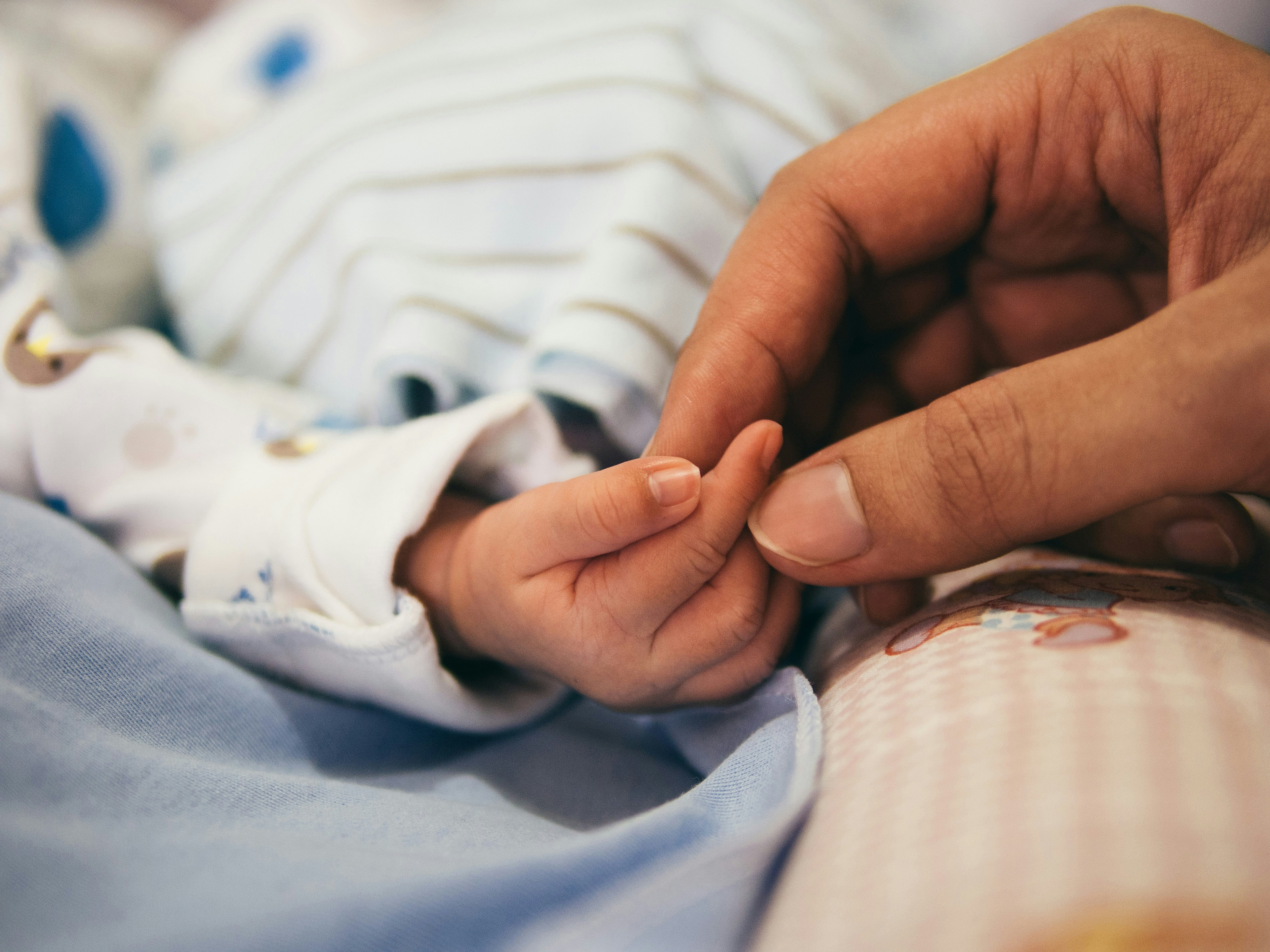
Everyone says congratulations. They smile, they celebrate, they expect you to feel the same.
But instead, you feel something else entirely. Confusion. Fear. Grief.
When a birth injury diagnosis enters the picture, the moment you imagined shifts instantly. And while the world may still expect joy, you are left trying to process something much more complicated.
If your child’s diagnosis may be linked to medical mistakes during delivery, you have every right to ask questions. You can contact Anapol Weiss today to speak with a team that understands both the emotional weight and the legal realities of birth injury cases.
Birth Injury Diagnosis Grief: Why Does Congratulations Feel So Heavy?


Hearing congratulations after a birth injury diagnosis can feel overwhelming. In many cases, it may even feel isolating.
That is because your experience no longer matches what people expect. While others see a healthy newborn, you may already be facing:
- Uncertainty about your child’s future
- Medical appointments and evaluations
- A flood of information you never expected to learn
As a result, even well-meaning comments can feel disconnected from your reality. You are not ungrateful. You are grieving the version of this moment you thought you would have.
Coping With Birth Injury Diagnosis: How Do You Process Conflicting Emotions?
It is possible to feel love, fear, gratitude, and grief all at once. In fact, this emotional mix is very common after a birth injury diagnosis.
You may find yourself:
- Loving your child deeply while mourning lost expectations
- Feeling thankful they are here but worried about long-term challenges
- Wanting to celebrate while also needing space to process
These emotions do not cancel each other out. Instead, they exist together.
Because of this, giving yourself permission to feel everything without judgment is an important step forward.
Emotional Impact Of Birth Injuries: Why Does This Feel Like Grief?
Grief is not limited to loss through death. It can also come from a sudden change in expectations.
When a birth injury occurs, many parents grieve:
- The birth experience they hoped for
- The early milestones they imagined
- A sense of control over their child’s future
This type of grief often comes in waves. Some days may feel manageable, while others may feel overwhelming.
Understanding that this is grief can help you approach it with more compassion. You are not doing anything wrong. You are adjusting to something life-changing.
Birth Injury Parent Support: Where Can You Turn For Help?
Although it may feel isolating, you are not alone. Many parents have walked this path and found support in ways they did not expect.
You can start by:
- Connecting with support groups for parents of children with birth injuries
- Speaking with a therapist who understands trauma and medical stress
- Reaching out to advocacy organizations focused on your child’s condition
In addition, leaning on trusted friends or family members can help, even if they do not fully understand your experience.
The key is finding spaces where you feel heard, not rushed or dismissed.
Similar Post: The Trauma You Didn’t Expect: Coping with PTSD After a Traumatic Delivery
Understanding Birth Injury Causes: Could This Have Been Prevented?
As you begin to process your child’s diagnosis, questions often follow.
What happened during delivery? Could anything have been done differently?
In some cases, birth injuries result from unavoidable complications. However, in others, they may be linked to medical errors such as:
- Failure to monitor fetal distress
- Delayed decision-making during labor
- Improper use of delivery tools
- Lack of timely intervention
These possibilities can be difficult to consider. Still, understanding what caused the injury can help you make informed decisions moving forward.
Similar Post: What Happens If a Baby’s Shoulder Gets Stuck and the Team Pulls Too Hard?
Long Term Effects Of Birth Injuries: What Does The Future Look Like?
One of the hardest parts of a birth injury diagnosis is the uncertainty.
You may find yourself wondering:
- What kind of care will my child need?
- Will they reach certain developmental milestones?
- How will this affect their independence later in life?
The truth is, every situation is different. Some children face significant challenges, while others make progress in ways that exceed expectations.
Because of this, focusing on what you can control today can help reduce overwhelm. Building a care plan, connecting with specialists, and learning about available resources can provide a sense of direction.
Talking About Birth Injury Diagnosis: How Do You Respond To Others?
Navigating conversations after a birth injury diagnosis can feel exhausting.
You may hear:
- Everything happens for a reason
- At least the baby is alive
- Stay positive
Even though these comments are often well-intentioned, they can feel dismissive.
It is okay to set boundaries. For example, you can:
- Share only what you are comfortable discussing
- Redirect conversations when needed
- Be honest about how you are feeling
You do not owe anyone a perfectly positive response. Protecting your emotional space matters.
Legal Support For Birth Injury Cases: When Should You Explore Your Options?
At some point, many families begin to ask whether their child’s injury could have been prevented.
You do not need to have a clear answer before speaking with a legal team. In fact, early conversations can help clarify:
- What should have happened during delivery
- Whether proper standards of care were followed
- What options may be available to support your child’s future
Taking this step is not about placing blame. Instead, it is about understanding your rights and securing the resources your child may need.
Similar Post: What Should I Ask a Lawyer Before Filing a Birth Injury Claim?
Contact Anapol Weiss Today: How Can You Move Forward After A Birth Injury Diagnosis?
This is not the path you expected. And yet, you are here, doing your best to navigate something incredibly complex.
You deserve answers. You deserve support. And most importantly, you deserve to feel like you are not facing this alone.
Anapol Weiss works with families throughout Pennsylvania, including Philadelphia, Doylestown, and Tobyhanna who are dealing with the emotional and financial impact of birth injuries. Our team can review what happened, help you understand your legal options, and guide you toward next steps that make sense for your situation.
If you are ready to talk, contact Anapol Weiss today for a free and confidential consultation. Taking that first step can help you move forward with clarity and confidence.
Disclaimer: This blog is intended for informational purposes only and does not establish an attorney-client relationship. It should not be considered as legal advice. For personalized legal assistance, please consult our team directly.